
Revisiting Easter Traditions of Times Past
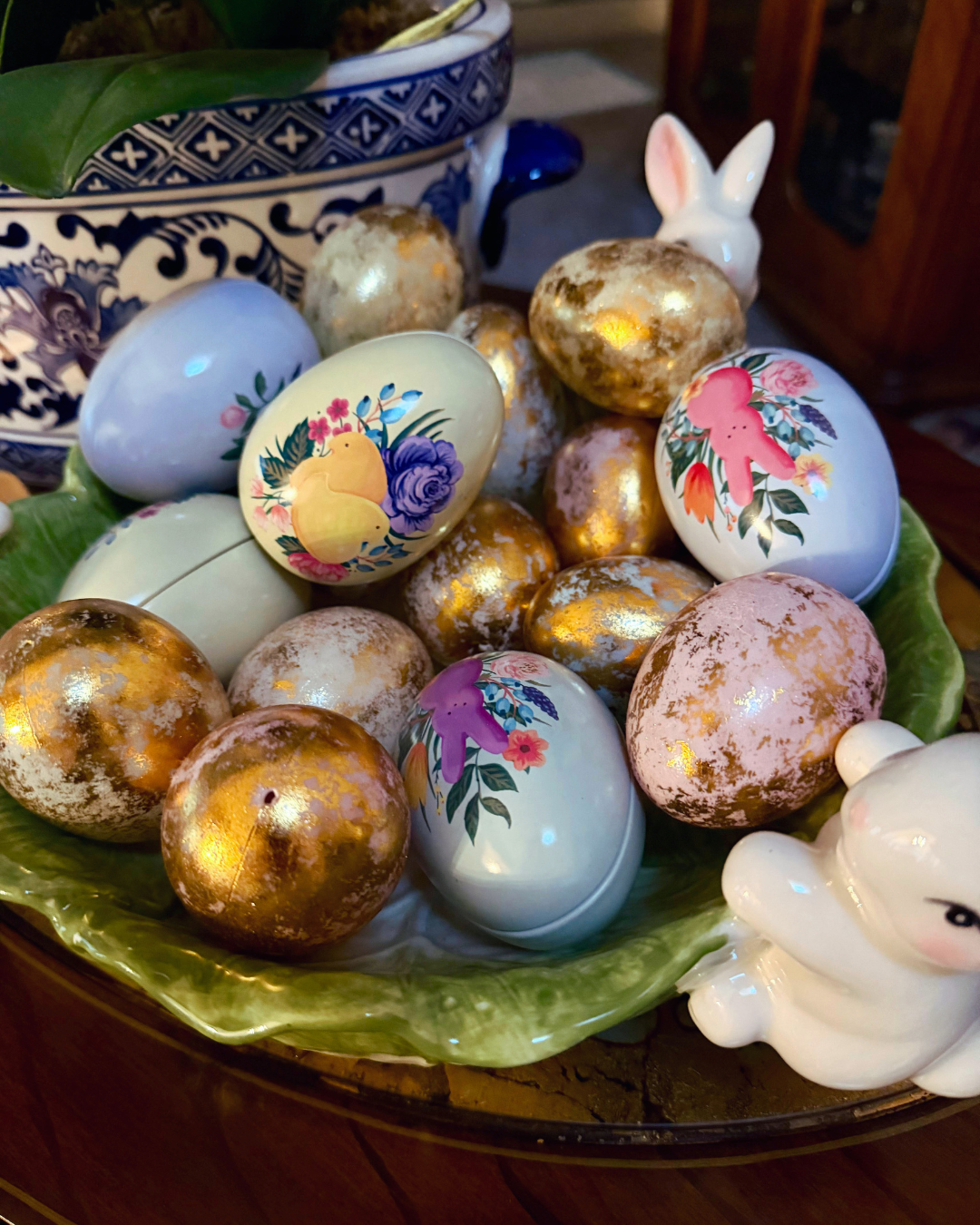
Easter is a wonderful “Welcome” to spring and new beginnings. I’m sure all families have their own special traditions. As I reminisce about my own childhood, I always received a beautiful new pair of white Easter shoes, white socks with little lace around the edges, a basket filled with chocolate, and always a glittery golden egg. Easter felt like an elegant occasion because our table was set with my grandmother‘s China and fancy glassware. Looking back, it was probably very simple but in my eyes, it sparkled like diamonds.
It’s also a solemn occasion for many and a reason to celebrate in our faith community. A quiet time of intention that took shape through sharing a special meal and taking part in treasured rituals.
Here is a look at some beautiful traditions from times past, which I also personally value as Easter soon approaches.
Dressing for Easter
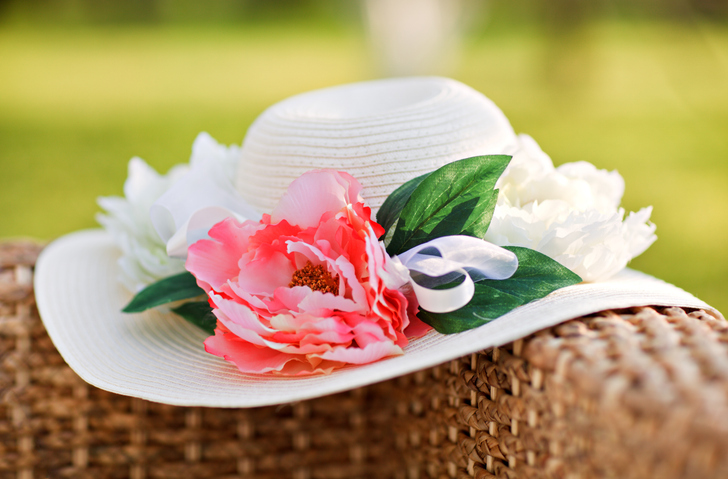
Dressing for Easter was quite an art; men’s spring suits were freshly pressed and new for spring, and ladies opted for fresh pastels and silk ribbons, elegant flowers, and the iconic “Easter bonnet.” Clothing was worn to demonstrate a feeling of renewal and respectability. Today, showing up to a family gathering, dressed up rather than down, sends the message that you value the Easter celebration with family and friends.
The Easter Table
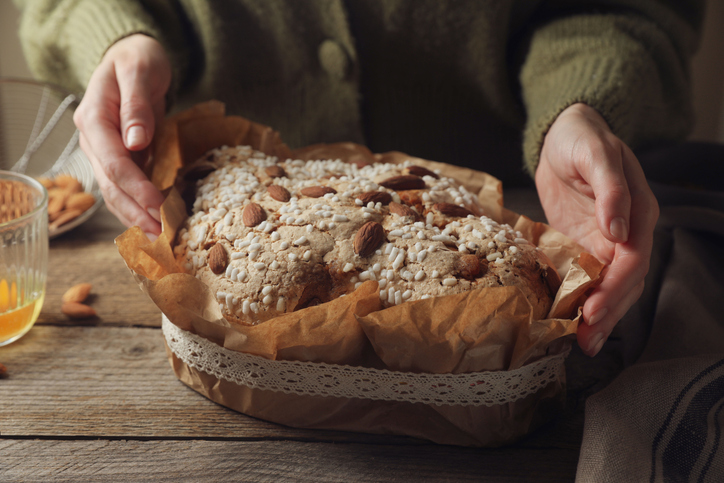
The Easter table was full of beautiful symbolism. Eggs were a sign of new life, the lamb stood for purity and sacrifice, bread stood for sustenance, and spring flowers, especially lilies, represented the resurrection. Polish families prepared święconka baskets for a special blessing before the holiday, and in Italy, the dove-shaped colomba cake was a special treat and a statement.
Whatever the food served, make a special effort to be a good guest at the table by talking to the person on both your left and your right, knowing a few dining skills to make others feel comfortable around you, and toasting the host at dessert is always a welcome addition.
The Art of the Easter Egg
In the past, Easter eggs were tiny works of art. In Ukraine, pysanky eggs were made with wax-resist art, and the symbols evoked everything from protection to prosperity. Of course, there are the famed Fabergé eggs from Imperial Russia, telling a story in stunning opulence. Families all around the world dyed Easter eggs with herbs, beetroot, and onion skins.
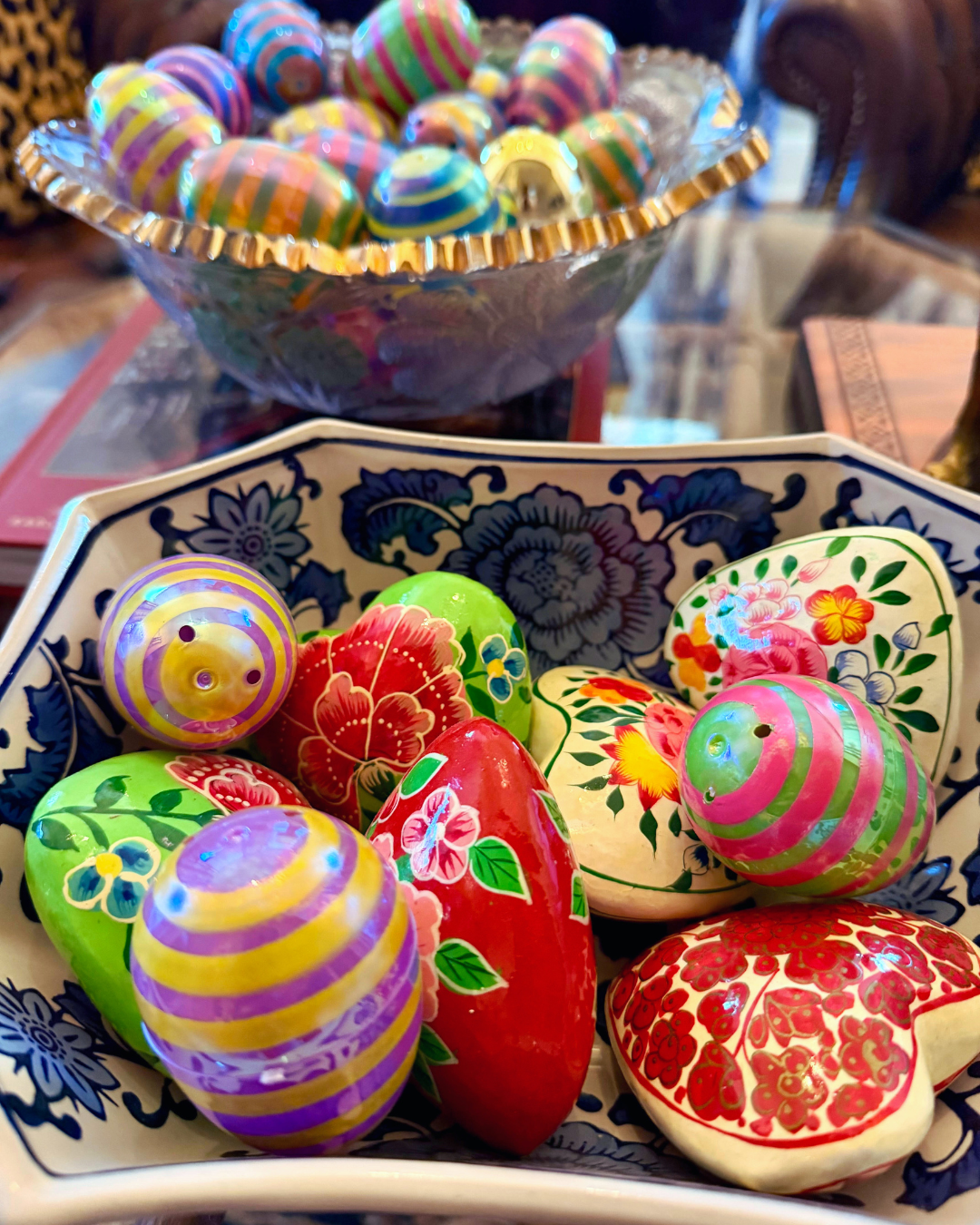
I love to buy beautiful sacks of inexpensive, plastic Easter eggs and fill my vintage bowls with them. I have collected candy dishes, glass bowls, and even serving bowls that all welcome these beautiful little treasures.
The Gift of the Easter Egg
Eggs were traditionally blessed and shared to celebrate the end of the 40-day Lenten fast, a period when eating eggs was prohibited. Historical records from 1307 mention Edward I of England giving out 450 boiled eggs decorated with gold leaf. A lovingly decorated Easter egg was given as an act of affection or friendship.
The Chocolate Easter Egg
According to Chocolate Trading Co, the first chocolate Easter eggs originated in Europe in the early 19th Century. This new “artistic confectionery” made its debut in France and Germany.
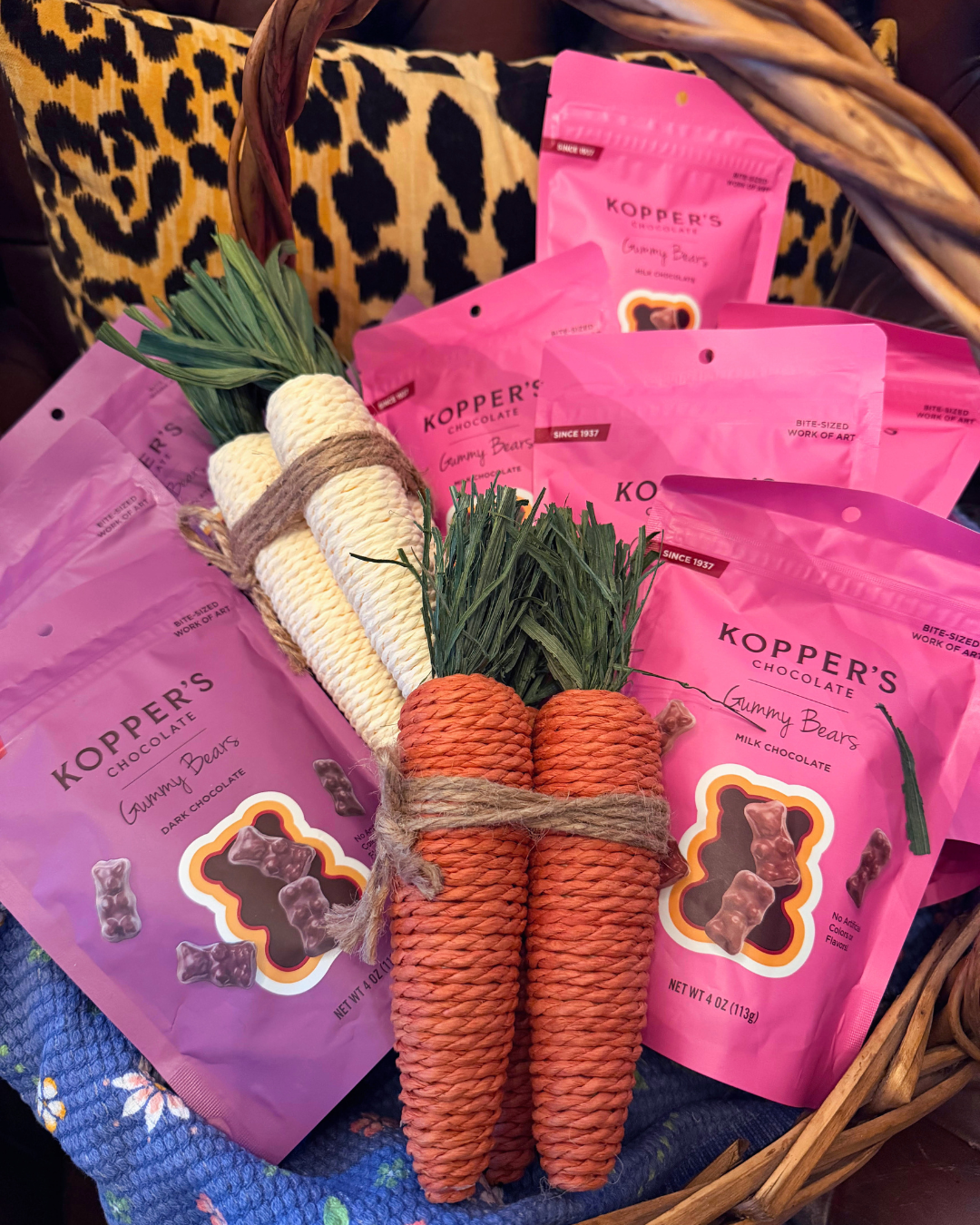
One of my favorite candies is chocolate-covered gummy bears. While it’s not traditional Easter candy, I purchase several bags and give them out to all of my guests with a little handwritten note letting them know how much I love and value our relationship.
The Easter Bunny
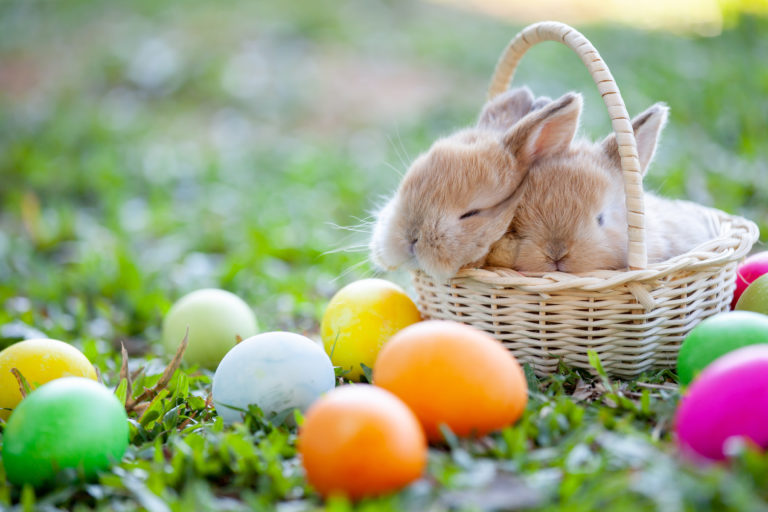
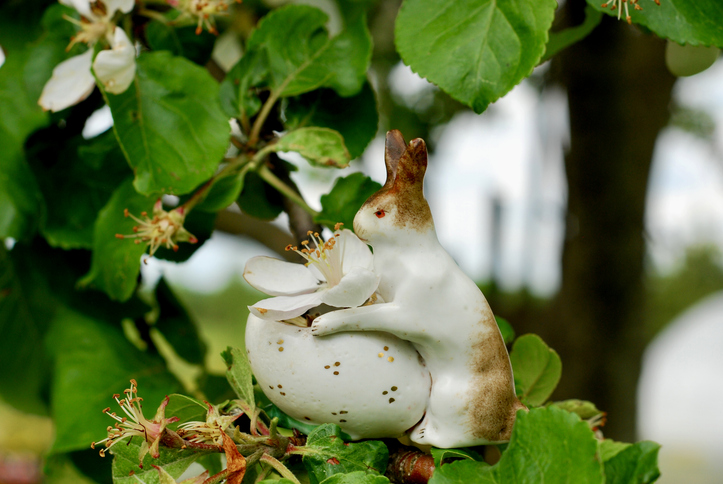
The Easter bunny has its roots in 1600s German folklore. German immigrants told the legend of the Easter hare, Osterhase, that would lay eggs for well-mannered children.
Easter Processions, Bells, and Beyond
In many communities, Easter extended into the public space in the form of processions, church bells, and other community festivities. Easter was a collective experience, from the midnight services of the Orthodox traditions to Spain’s elaborate Semana Santa.
However you spend your Easter, from a simple gathering in the backyard or an elegant dinner at a restaurant, don’t forget to revisit customs, traditions, and simple pleasures of the new season.
You may also Bunny Trail to Brunch: Easter Etiquette Tips For The Host. We’re also including Easter Table Etiquette Tips below.
For more information about working with Diane, America’s “Go To” social and professional etiquette authority, please visit The Protocol School of Texas.
See what Diane is up to by following her on Instagram and Facebook and find etiquette inspiration on her Pinterest account. For more of Diane’s etiquette tips, refer to her posts on Inc. and HuffPost.